
Stop Living on a Second-Hand Faith: The Ultimate Guide to Building Your Bible Study Library
There are many Christians today who are living a second-hand faith. They are "Bible-saturated" but "Scripture-starved." They listen to the latest podcasts, diligently read through daily devotionals, and even highlight the most popular verses in their Bibles. Yet, when it comes to actually opening the Word of God to do in-depth Bible study for themselves—without a middleman—they are lost.
It is as if we have been given the Bread of Life, but we are waiting for someone else to chew it for us. We rely on the "pre-digested" insights of our favorite teachers rather than developing the spiritual muscles necessary to extract nourishment directly from the source. While mentors and teachers are gifts to the Church, they were never meant to be a permanent substitute for your own direct engagement with the Living Word. If your spiritual growth is dependent on the study habits of someone else, your faith will always be limited to their understanding.
What if the only thing standing between you and a life-transforming, deep encounter with the Bible is a simple shift in the tools you use? As your Bible Study Mentor, I want to take you behind the scenes of my own library. These aren't just books on a shelf; they are the keys I have used for decades to become a "self-feeder" of the Word. If you already love the Bible but feel you’ve hit a plateau, this guide is designed to help you move from surface-level reading to profound, exegetical discovery. I believe this because, as I say in every episode of my podcast (Your Bible Study Mentor),
"in-depth Bible study done consistently over time is the most important spiritual discipline to develop for a lifetime of spiritual growth."
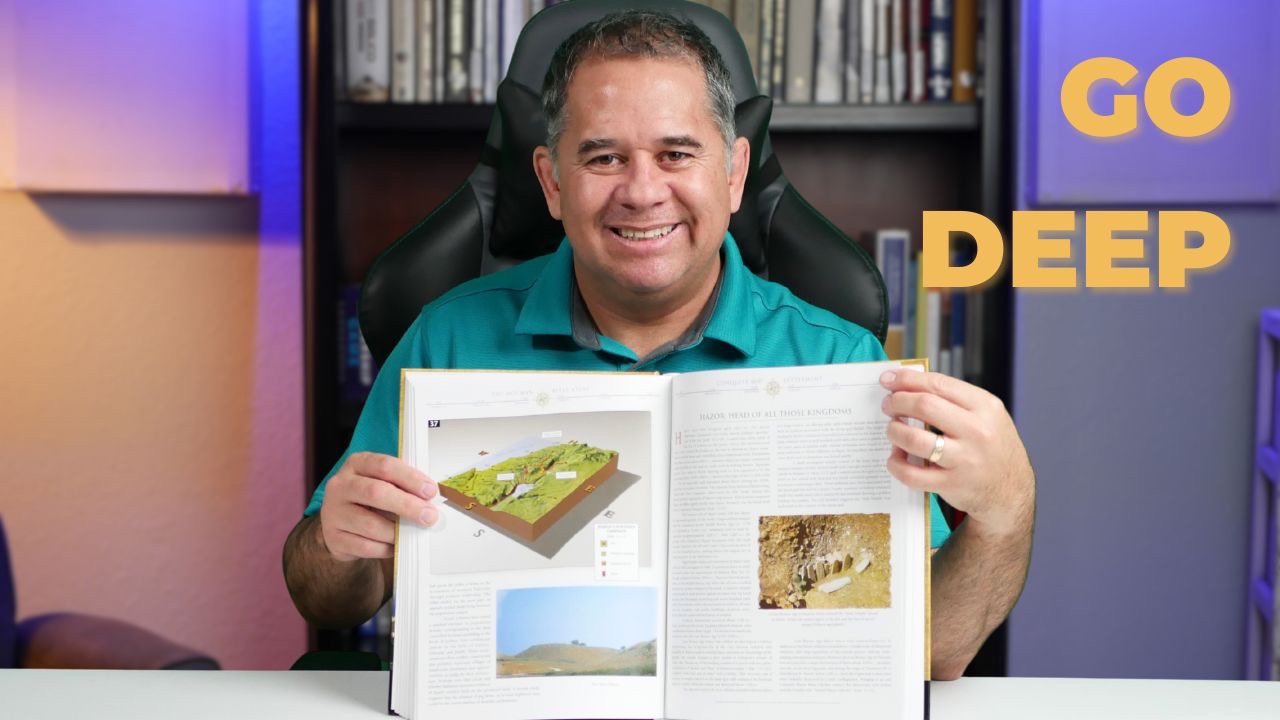
I’m taking you inside my personal library in the guide below, but if you want to see these books in action, this blog post is also a full-length, behind-the-scenes video. I’ll show you the exact shelves where these resources live, use my 'Close-up Cam' to dive into the maps and dictionaries, and share the stories behind them.
Click here to watch the full Library Tour on YouTube.
The Shift to Digital: Why I Recommend Logos Bible Software
Before we dive into specific titles, we have to talk about the "container" for your library. You’ll notice on my shelves that I don't have thousands of physical books. That isn’t because I don’t read; it’s because many years ago, I made a strategic shift to Logos Bible Software.
While I love the feel of a physical book, the power of digital study is undeniable. In Logos, I have thousands of volumes that are interconnected. If I’m studying a verse in Genesis, the software automatically finds every mention of that verse in my commentaries, dictionaries, and atlases. It saves hours of manual flipping and turns a basic search into a scholarly investigation. It allows you to carry a world-class theological library in your pocket, making deep study possible whether you are at your desk or on a lunch break. For the serious student, the ability to search your entire library in seconds for a specific Greek or Hebrew word is a game-changer that physical books simply cannot match.

The "Big Three": The Foundation of Your Library
When I teach my compadres how to build a library, I always tell them to start with the "Big Three." If you have nothing else on your shelf, these three tools will provide 80% of the depth you’re currently missing. These tools act as your historical, linguistic, and geographical eyes. They bridge the gap between the ancient world and our modern context, ensuring that your interpretation is grounded in fact rather than mere feeling.
1. The One-Volume Bible Commentary
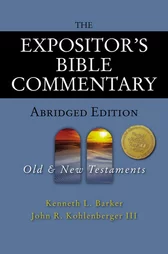
A commentary provides the historical and theological context of a passage. It helps you see what the text meant to the original audience before you try to determine what it means for you today. However, my specific advice is to look for a commentary with multiple authors. No single person can be a world-class expert on all 66 books of the Bible. You want a resource where the section on Isaiah was written by an Isaiah scholar. A fantastic example is The Expositor's Bible Commentary. It offers a scholarly yet accessible approach that doesn't get bogged down in technicalities but also doesn't shy away from the difficult questions.
2. The Illustrated Bible Dictionary
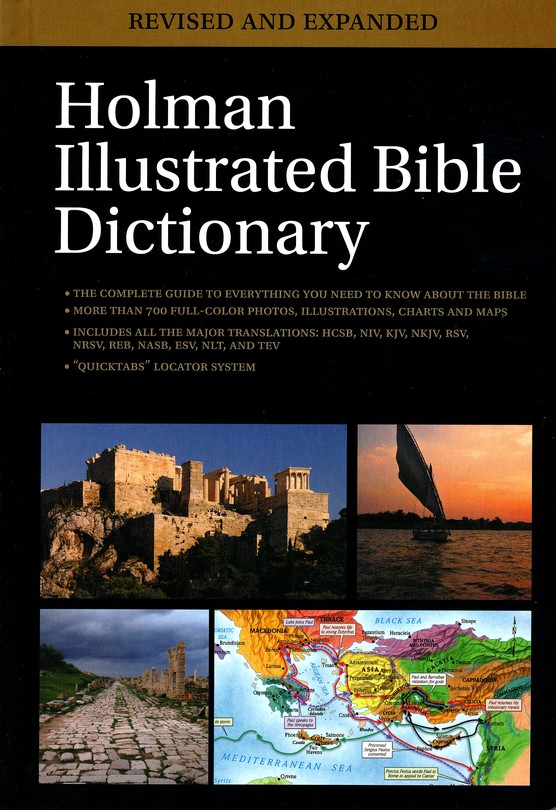
We often encounter cultural concepts in the Bible that are foreign to our 21st-century minds. What was a "phylactery"? What did a "high place" actually look like? A dictionary like the Holman Illustrated Bible Dictionary is essentially an encyclopedia for your faith. It provides reputable, evangelical scholarship on people and places. One reason I love the Holman version is the high-resolution photos and diagrams that help you see the world of the Bible in full color, which significantly improves retention. When you can see the archaeological remains of a city while reading about it, the Word moves from abstract to concrete.
3. The Bible Atlas
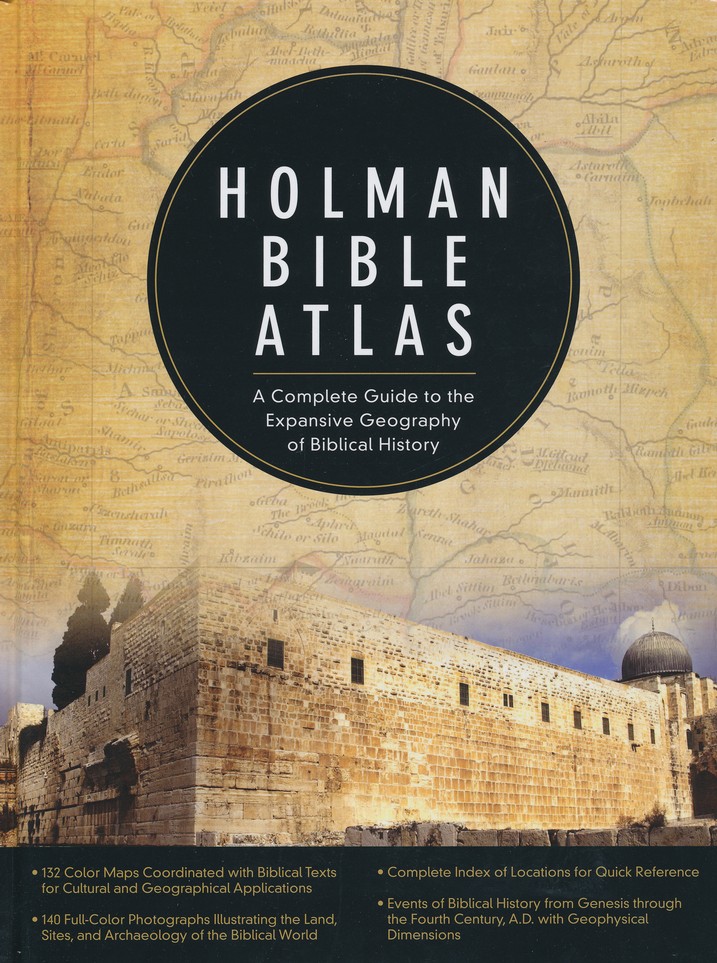
Geography is often the most neglected aspect of Bible study, yet it is frequently the key to the story. If you want to move the Bible from 2D to 3D, you need an atlas. Geography determines history; the locations of mountain ranges, trade routes, and water sources explain why battles were fought and where cities were built. My favorite is the Holman Bible Atlas, written by my former professor, Dr. Thomas V. Briscoe. Its maps are stunningly detailed, showing the rise and fall of the terrain as it was in biblical times. It includes helpful timelines that keep the events of Scripture in their proper historical sequence.
Mastering Hermeneutics: Learning How to Interpret
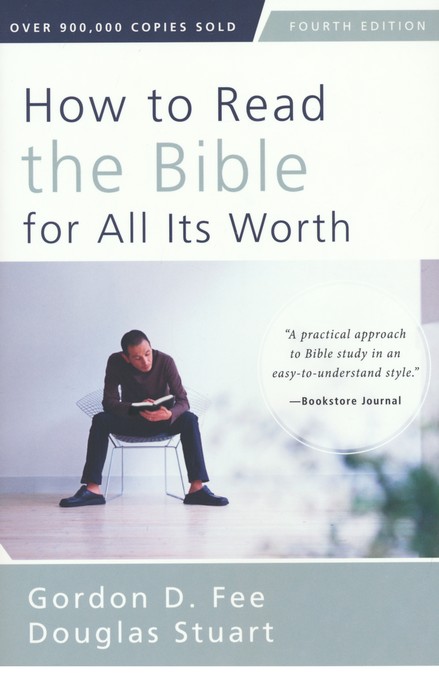
Once you have the tools, you need the skills to use them. This is where hermeneutics—the art and science of biblical interpretation—comes in. If we don't understand the rules of the road, we end up driving our interpretation into a ditch. Many people misinterpret the Bible simply because they apply the same "filter" to every book. You cannot read the Psalms (poetry) the same way you read Leviticus (law). Each genre has its own set of "interpretive keys." The absolute "gold standard" for understanding biblical genre is Gordon Fee and Douglas Stuart's work.
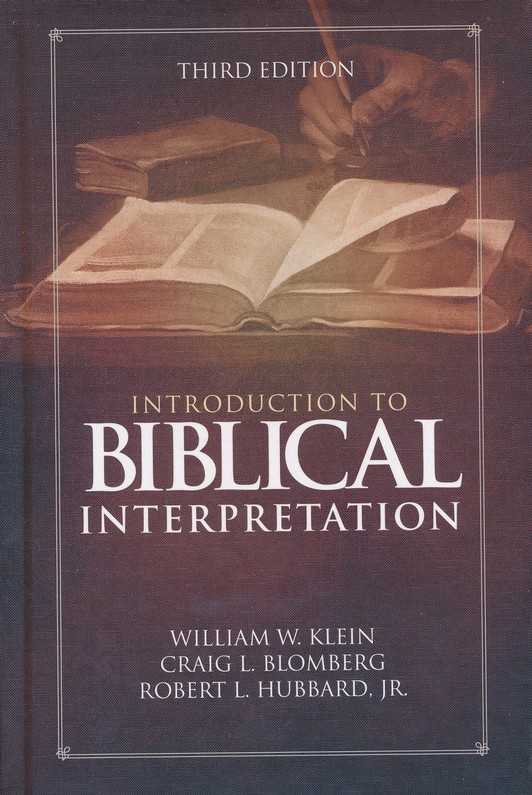
For those looking to go even deeper into the academic side of interpretation, I recommend Introduction to Biblical Interpretation. This is a seminary-level classic that remains accessible for the dedicated student. It provides a robust framework for understanding the history of interpretation and the philosophical underpinnings of how we understand ancient texts. It will challenge you to think about the author's intent rather than just "what this verse means to me."
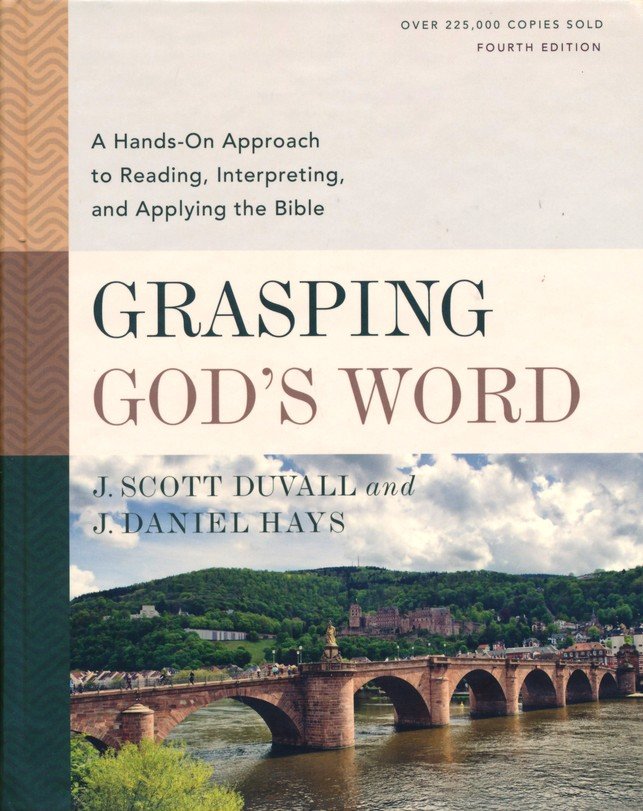
Finally, for a practical, step-by-step approach to the "journey" of a passage—from the ancient world to our modern lives—Grasping God’s Word is phenomenal. It focuses on the "interpretive journey," a five-step process that ensures you don't jump to application before you've done the work of observation and interpretation. It is highly interactive and great for visual learners.
The Deep Dive: Archaeology and Languages
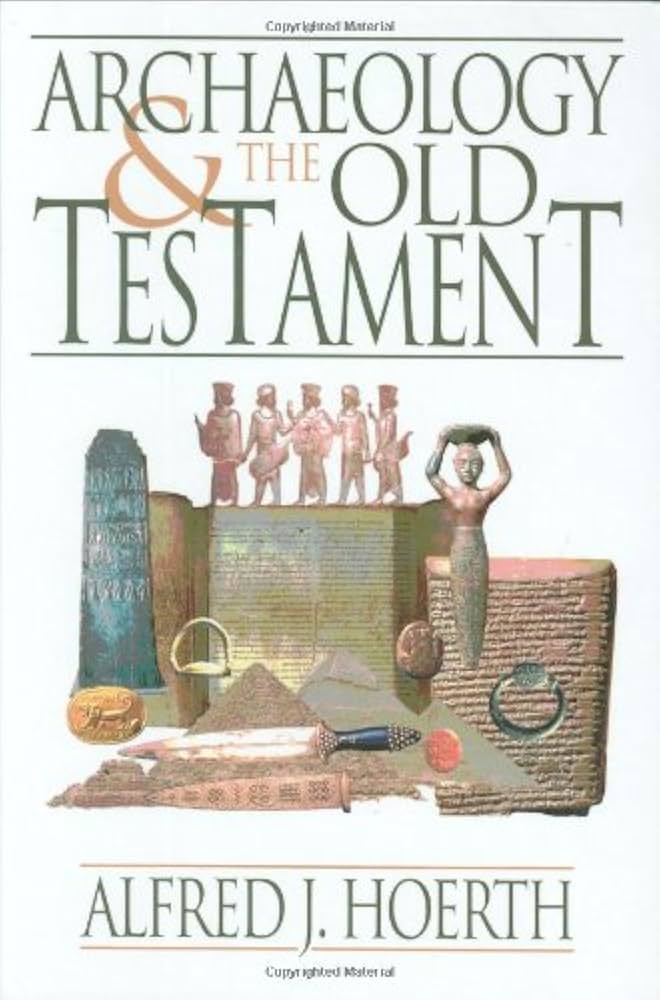
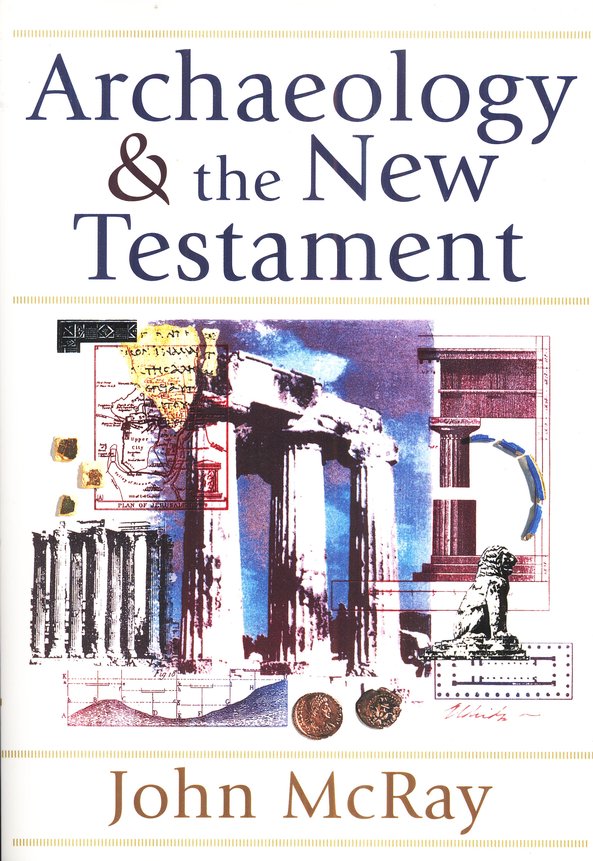
If you’ve ever wondered if the stories in the Bible are historically grounded, you need to look into archaeology. It provides the "receipts" for the biblical narrative. Archaeology doesn't "prove" the Bible in a scientific sense, but it provides the physical context that confirms the setting, culture, and material reality of the biblical world. I have used these resources throughout my Ph.D. work to see the physical evidence of the civilizations mentioned in the prophets. Understanding the archaeological background of a city like Ephesus or Jerusalem helps you appreciate the tension between the early Church and the surrounding pagan culture.
For the truly adventurous student, there is no substitute for the original languages. During my time at Baylor University, I lived in the Hebrew text. While you don't need to be a linguist to hear from God, understanding the nuances of the original Hebrew can illuminate the Old Testament in ways an English translation simply cannot. It allows you to see wordplay, chiasms, and emphases that are often lost in translation. Studying Hebrew opens a window into the Semitic mindset that shaped the very foundation of our faith.
Refining the Delivery: Preaching and Leadership
Bible study isn't just about intake; for many of us, it’s about output. Whether you are leading a small group, teaching a Sunday school class, or preaching to a congregation, how you communicate the Word matters. We have a responsibility to handle the Word of Truth with excellence. Preparation is an act of worship. Invitation to Biblical Preaching is the book that has most helped me refine my preparation process to turn deep study into clear, transformative messages that resonate with the heart of the listener.
Additionally, I believe that understanding our own personal wiring makes us better students of the Word and more effective leaders in the Kingdom. We all have specific ways we are designed to contribute to the body of Christ. Patrick Lencioni's work has been instrumental in my own growth as a leader and pastor. When we understand how we work, we can better steward the gifts God has given us and avoid the burnout that comes from trying to be someone we aren't.
Conclusion: "Daddy's Dictionary"
I shared a personal story recently about my doctoral dissertation. My daughters were very young when I was finishing my Ph.D. at Baylor University, and they couldn't quite say "dissertation," so they called it "Daddy's Dictionary." They knew that I spent hours tucked away with these books, traveling back and forth to Waco to finish that work. They saw the sacrifice required to handle the Word with precision and the joy that comes from finding hidden gems in the text.
I didn’t do all that to show off. I did it because I believe that the Word of God is worth the effort. It is a mine of infinite treasure, but you have to be willing to dig. You don’t need a Ph.D. to hear clearly from the Lord, but you do need to move past the surface. You need to stop waiting for someone else to chew the Bread of Life for you. Faith is meant to be a first-hand experience, an ongoing conversation between you and your Creator mediated by the Holy Spirit through the scriptures.
A "self-feeder" is someone who has the tools and the hunger to go directly to the source. It is someone who isn't satisfied with a second-hand faith because they've tasted the sweetness of a first-hand encounter with the Spirit through the Word. This isn't just for scholars; it is for every believer who wants to grow, to be challenged, and to be transformed into the image of Christ.
Building a library like this takes time. You don't have to buy every book today. But you should start somewhere. A library is an investment in your spiritual future and the future of those you influence. It is a legacy of learning that you pass down to the next generation.
This week, I challenge you: Pick up one tool. Choose one—maybe a solid Bible Atlas or a one-volume dictionary—and incorporate it into your quiet time. Don't just read the passage; look up the location. Define the strange terms. See who else has commented on the text. Ask God to open your eyes to something new. I guarantee that as you invest in the tools of study, the Holy Spirit will reward your diligence with a depth of faith you never thought possible.
I'm Dr. Mario Escobedo, and it is my absolute honor to be your Bible Study Mentor. Now, let’s go deeper.
